
Horacio Quiroga
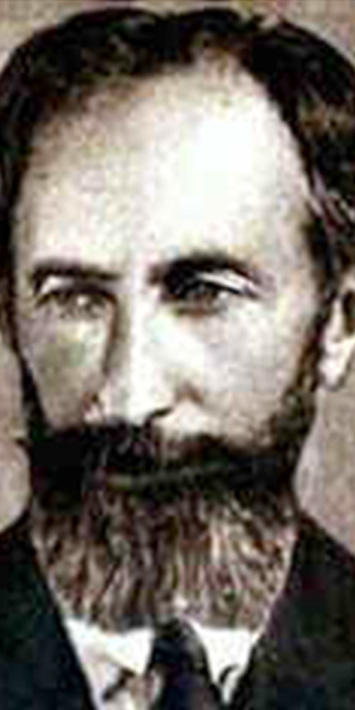
Horacio Quiroga is one of the most influential short story writers in Latin American literature. His works are known for their intensity, psychological depth, and vivid descriptions of life in the jungle, particularly in the Misiones region of Argentina.
Why Horacio Quiroga Matters in Spanish Literature
Quiroga’s stories helped define the modern Latin American short story. His writing combines elements of realism, nature, and human struggle, often exploring themes such as survival, isolation, and fate.
- Pioneer of the Latin American short story
- Strong influence from writers like Edgar Allan Poe
- Focus on human vulnerability and nature
- Widely studied across Spanish-speaking countries
What Makes His Writing Unique
His style is direct yet powerful, often placing characters in extreme situations. The environment plays a central role, especially the jungle, which is portrayed as both beautiful and dangerous.
- Short, intense narratives with strong endings
- Descriptive language tied to nature and environment
- Psychological tension and emotional impact
- Frequent use of irony and unexpected outcomes
Best Works to Explore
These collections are among his most recognized and provide a good introduction to his style and themes.
- Cuentos de la selva
- Cuentos de amor, de locura y de muerte
- Anaconda
Is Horacio Quiroga Suitable for Spanish Learners?
Quiroga’s writing is not designed for beginners or intermediate learners. His vocabulary, tone, and narrative complexity make his work more appropriate for advanced students.
- Uses literary and descriptive vocabulary
- Includes regional and cultural references
- Requires strong reading comprehension skills
- Best approached after building a solid language foundation
When to Read Authors Like Quiroga
At SpanishBlackbelt, this type of literature is considered part of advanced, mastery-level development. It is not included in earlier learning stages, where the focus is on building practical communication skills.
For learners who have reached a high level of fluency, reading authors like Quiroga can deepen vocabulary, improve reading comprehension, and provide insight into Latin American culture and literary expression.
How Literature Fits into Advanced Spanish Training
Literature becomes valuable once you are already comfortable communicating in Spanish. At that stage, it can help refine your understanding of nuance, tone, and stylistic variation.
- Expands advanced vocabulary and expression
- Improves interpretation of complex ideas
- Provides cultural and historical context
- Strengthens reading endurance and comprehension
The Role of Conversation in Advanced Learning
Even at advanced levels, reading alone is not enough to maintain and develop fluency. Literature complements—but does not replace—active communication.
Discussing what you read with a native Spanish-speaking tutor helps you process ideas, clarify meaning, and integrate new vocabulary into real conversations.
A Balanced Path to Mastery
Horacio Quiroga’s work offers a valuable experience for advanced learners interested in literature and culture. However, it is most effective when combined with continued speaking and listening practice.
A balanced approach ensures that your Spanish remains both expressive and practical, allowing you to engage with the language at a deeper level while maintaining real communication skills.
Biografía
Horacio Quiroga nació el 31 de diciembre de 1879 en Salto, Uruguay. Aunque se crió en Uruguay, pasó la mayor parte de su vida en Argentina. Horacio Quiroga vivió numerosas aventuras durante su vida, pero también fue testigo de grandes tragedias a su alrededor, lo cual tuvo una gran influencia en su escritura.
Quiroga estudió en Montevideo y pronto se interesó por la literatura. Comenzó a escribir bajo la influencia del Modernismo al principio del siglo XX y publicó su primer libro, “Los arrecifes de coral”, en 1901, una colección de poemas en prosa y poesía que mostró la influencia de Edgar Alan Poe. Su obra posterior se sitúa entre la declinación del modernismo y la emergencia de las vanguardias.
Durante las tres primeras décadas del sigo XX, Quiroga escribió y publicó numerosas historias de una calidad admirable. Destacan entre ellas, “Cuentos de amor, de locura y de muerte”, “Los desterrados”, “Cuentos de la selva”, “Los mensú” y “Anaconda”, considerada generalmente como su obra maestra.
Su preocupación por la condición humana está presente en la mayoría de sus historias, donde señala excelentemente tanto las debilidades y los defectos del hombre, como su coraje, generosidad y compasión.
El dominio de Quiroga de los relatos cortos fue reconocido relativamente pronto en su carrera, y su fama continuó posteriormente durante toda su vida. Hoy, todavía se le admira por sus cuentos y es considerado uno de los mayores escritores de relatos de latinoamericanos de todos los tiempos.
Biography
Horacio Quiroga was born on December 31, 1879, in Salto, Uruguay. Although he was raised in Uruguay, he spent most of his life in Argentina. He experienced plenty of adventure in his life, but also witnessed a lot of tragedy, which had a big influence on his later writing.
Quiroga studied in Montevideo and soon became interested in literature. He started writing under the influence of Modernism at the beginning of the twentieth century. He published his first book, “Coral Reefs” in 1901, a collection of prose poems and poetry that showed Edgar Alan Poe’s influence on his work. His later work lay between the decline of modernism and the vanguards.
For the first three decades of the twentieth century, Quiroga wrote and published numerous stories of impressive quality. High among those are “Stories of Love, Madness, and Death”, “The Exiled Ones”, “Jungle Tales”, “The Contract Workers”, and “Anaconda”, generally recognized as his masterpiece.
His concern about mankind is present in most of his stories. He had a sharp awareness of mankind’s nature and finely pointed out its weaknesses and failings as much as its courage, generosity and compassion.
Quiroga’s mastery of the short story was recognized fairly early in his career, and he continued to enjoy fame throughout his lifetime. Today, he is still greatly admired for the type of stories he excelled at, and is considered one of the best story writers in Latin America of all times.
Recommended books
As an Amazon Associate we earn commisions from qualifying purchases made through links in this page.
Cuentos de la Selva
by Horacio Quiroga
A collection of short stories originally written for younger audiences, where animals and humans interact in the Latin American jungle. The stories combine imagination, nature, and subtle moral themes.
This work highlights Quiroga’s clear prose and his ability to bring the natural environment to life through vivid and engaging narratives.
Cuentos de amor, de locura y de muerte
by Horacio Quiroga
A powerful collection exploring themes such as love, tragedy, and human struggle. These stories reflect Quiroga’s intense style and his focus on psychological tension and harsh realities.
The work offers insight into Latin American literary traditions, combining emotional depth with strong, impactful storytelling.
Horacio Quiroga (Obras)
by Horacio Quiroga
A broader collection of Quiroga’s works, offering a deeper view into his literary style, recurring themes, and contribution to Latin American literature.

