
Gabriel García Márquez — Literatura y aprendizaje del español
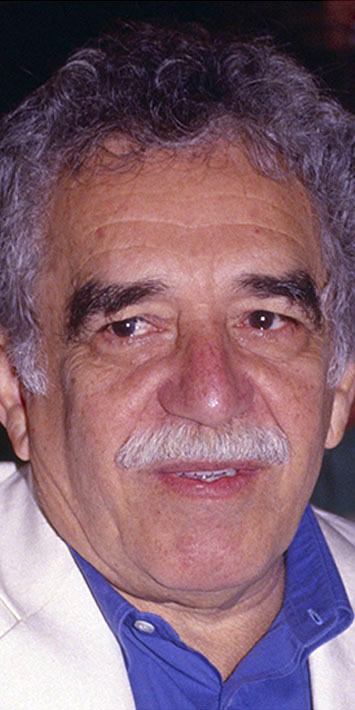
Biografía / Biography
Biografía (Español)
Gabriel García Márquez nació el 6 de marzo de 1927 en Aracataca, Colombia. Durante su infancia vivió con sus abuelos maternos, quienes influyeron profundamente en su imaginación y sensibilidad literaria. Su abuelo, veterano de la Guerra de los Mil Días, y su abuela, conocida por sus relatos llenos de superstición y fantasía, sembraron en él la base narrativa que más tarde caracterizaría su obra.
En 1947 se trasladó a Bogotá para estudiar derecho, aunque pronto abandonó la carrera para dedicarse al periodismo y a la literatura. Publicó su primer cuento, La tercera resignación, y más adelante su primera novela, La hojarasca.
Su reconocimiento internacional llegó con Cien años de soledad (1967), considerada una de las obras más influyentes de la literatura en español. En 1982 recibió el Premio Nobel de Literatura por su capacidad de combinar lo real y lo fantástico para retratar la vida y los conflictos de América Latina.
Entre sus obras más destacadas se encuentran Cien años de soledad, Crónica de una muerte anunciada, El amor en los tiempos del cólera, El coronel no tiene quien le escriba, El amor y otros demonios y Vivir para contarla.
Biography (English)
Gabriel García Márquez was born on March 6, 1927, in Aracataca, Colombia. Raised primarily by his maternal grandparents, he grew up surrounded by stories blending history, superstition, and folklore—an influence that would later define his narrative voice.
Although he initially studied law in Bogotá, he soon turned to journalism and literature. His early works included the short story The Third Resignation and the novel Leaf Storm.
His international breakthrough came with One Hundred Years of Solitude (1967), widely regarded as one of the greatest works of Spanish-language literature. In 1982, he was awarded the Nobel Prize in Literature for his novels and short stories that combine the fantastical and the realistic in richly imagined worlds.
Major works include One Hundred Years of Solitude, Chronicle of a Death Foretold, Love in the Time of Cholera, No One Writes to the Colonel, Of Love and Other Demons, and Living to Tell the Tale.
Estilo literario / Literary Style
Estilo literario (Español)
Gabriel García Márquez es considerado una figura central del realismo mágico, corriente literaria que integra elementos fantásticos dentro de escenarios cotidianos. En sus novelas, lo extraordinario se presenta como parte natural de la realidad.
Su estilo se caracteriza por frases extensas, descripciones detalladas, riqueza léxica y estructuras narrativas complejas. A través de múltiples generaciones y perspectivas, sus historias exploran la memoria, el poder, la soledad y la identidad latinoamericana.
Literary Style (English)
García Márquez is widely recognized as a central figure of magical realism, a literary style that blends fantastical elements into otherwise realistic settings. In his novels, the extraordinary often appears as an accepted part of daily life.
His writing features long, flowing sentences, vivid imagery, and layered narrative structures. Through multi-generational storytelling, he explores themes of memory, power, solitude, and Latin American identity.
¿Por qué leer a García Márquez para aprender español? / Why Read García Márquez to Learn Spanish?
Para estudiantes de español
- Exposición a vocabulario avanzado y expresivo.
- Uso variado de tiempos verbales y estructuras narrativas complejas.
- Comprensión de registros formales e históricos.
- Profunda inmersión cultural en América Latina.
Sus obras son especialmente recomendables para estudiantes de nivel intermedio alto y avanzado que desean ampliar su comprensión lectora y enfrentarse a textos literarios de mayor complejidad.
For Spanish learners
- Exposure to rich and expressive vocabulary.
- Varied verb tenses and sophisticated narrative structures.
- Understanding of formal and historical registers.
- Deep cultural immersion in Latin American contexts.
His novels are best suited for upper-intermediate and advanced learners who are ready to engage with longer literary texts and expand their reading fluency.
Recommended books
As an Amazon Associate we earn commisions from qualifying purchases made through links in this page.
Cien Años de Soledad El amor en los tiempos del cólera es una novela que el premio Nobel colombiano Gabriel García Márquez publicó en 1985. La novela narra la vida de tres personajes a principios del siglo XX en una ciudad costera que, por las descripciones, parece ser Cartagena de Indias. Esta es una historia de amor con una prosa impecable, al mejor estilo del Nobel. One Hundred Years of Solitude (Spanish: Cien años de soledad) is a novel by Nobel Prize winning Colombian author Gabriel García Márquez that was first published in Spanish in 1967. The book is considered García Márquez's masterpiece, metaphorically encompassing the history of Colombia or Latin America. The novel chronicles a family's struggle, and the history of their fictional town, Macondo, for one hundred years. García Márquez acknowledges in his autobiography Living to Tell the Tale that Macondo was based on the towns where he spent his childhood. Like many other novels by Gabriel García Márquez, One Hundred Years of Solitude crosses genres, combining elements of history, magical realism, and pure fiction. |
Cronica de una muerte anunciada En Crónica de una Muerte Anunciada, de Gabriel García Marquez, un hombre regresa al pueblo donde ocurrió un asesinato desconcertante 27 años atrás, con la determinación de descubrir la verdad. Todos parecen estar de acuerdo en que Bayardo San Román, sólo unas horas después de su matrimonio con la bella Angela Vicario, la devuelve por deshonrada a la casa paterna. La atribulada familia fuerza a la novia a revelar el nombre de su primer amante; y los hermanos gemelos de ella anuncian su intención de matar a Santiago Nasar por haber deshonrado a su hermana. Sin embargo, si todos sabían que se iba a cometer un asesinato, ¿por qué nadie trató de impedirlo? Cuanto más se sabe de este asunto, menos se comprende, y cuando la historia al fin se precipita a su inesperada conclusión, una sociedad entera —no sólo un par de asesinos— está siendo enjuiciada. Chronicle of a Death Foretold (original Spanish title: Crónica de una muerte anunciada) is a novella by Gabriel García Márquez, published in 1981. It tells, in the form of a pseudo-journalistic reconstruction, the story of the murder of Santiago Nasar by the two Vicario brothers. Chronicle of a Death Foretold exhibits many of the aspects of a novel written in the magic realist style. For example, the novel makes oblique references to God and clairvoyance. Additionally, it has the magic realism aspect of a warped timeline. |
El amor en los tiempos del cólera Con sagacidad humorística y depurado estilo, García Márquez traza en El Amor en los Tiempos del Colera, la historia excepcional de un amor que no ha sido correspondido por medio siglo. Aunque nunca parece estar propiamente contenido, el amor fluye a través de la novela de mil maneras –alegre, melancólico, enriquecedor, siempre sorprendente. Love in the Time of Cholera (Spanish: ''El amor en los tiempos del cólera'', 1985) is a novel by Gabriel García Márquez about a fifty-year love triangle between Fermina Daza, Florentino Ariza and Doctor Juvenal Urbino set in the late 19th century and the first decades of the 20th century. The novel, a tale of unrequited love, explores the idea that suffering for love is a kind of nobility. One way equates the ‘time of cholera’ with the time of romantic love, thus suggesting that love in this novel is a disease that plagues the body. The title may also be a metaphor for the disease of social irresponsibility. |

